.png)

SEARCH RESULTS
Search this site
94 results found with an empty search
- Creating Natural Privacy Screens with Trees & Shrubs
Evergreen hedges are planted for a variety of reasons: privacy, wind block, noise dampener, and even to create “rooms” within a landscape. Regardless of your reasons, we have plenty of options to help create an evergreen hedge to suit your growing conditions and needs. When planning, make sure to take into consideration the following factors: SUNLIGHT How much sun does your planting site get? It’s important to install plants that will thrive in the light conditions you have. Full sun = 6+ hours of direct sunlight per day Part sun = 4-6 hours of direct sunlight per day, with some hours being in the afternoon (does not need to be contiguous hrs.) Part shade = 4-6 hours of direct sunlight per day, but most should be coming in the morning when the sun’s rays are less intense Full shade = Between 1.5-4 hours of sunlight, preferably in the morning DIMENSIONS How much planting space do you have? Make sure to take measurements of both the length and the width of the planting area to determine how many plants you’ll have room for. This is especially important if you’re planting along a property boundary – be clear where the line is and how much room for growth you have, so you won't encroach on a neighbor’s space. HEIGHT Don’t forget to look up! Do you have power lines that run overhead, an existing tree canopy, or an awning/roofline? You’ll need to be conscious of the maximum height you can work with for the site, too. HOW TO PLANT FOR NATURAL SCREENING Too often screening is planted in a straight line using only one species. This planting style can be easy and economical, but it can also be problematic in the future if one tree were to die leaving a seemingly big gap in the screening. Planting in a monoculture can also be problematic if a species-specific disease were to infect the area as it can wipe out the whole stand. If your planting space’s width allows, it can be beneficial to add different plant species in a staggered, zig-zag pattern (see the above diagram). Not only will this planting style allow for improved visual interest with varied textures, but it can also quickly give the appearance of a denser screening. Finally, more diversity of plants means more wildlife benefits. (Note that if your screen doesn't need to be extremely tall, there are a lot of native shrub and tree options that are both beautiful and beneficial, though most aren't evergreen. Click here for a great article listing 15 natives for screening.) It can be tempting to plant a dense row of plants to add “instant screening”, but it’s important to space your hedge appropriately to allow plants enough space to account for their mature width, which plans for appropriate air circulation for a healthy hedge! If instant screening is a must consider purchasing larger field-grown plants from a field-grown tree nursery. These larger plants can be dug, balled-and-burlapped, and often delivered to your residence. Another option is to install plants densely and plan to remove/cut down every other tree several years later once it’s filled in and to allow for more space as the trees mature. This article focuses on evergreen trees and shrubs, but note that screening can be accomplished in a variety of ways! If screening a small space, consider vines on trellises or large containers filled with tall grasses or flowering perennials. TREES & SHRUBS FOR SCREENING Shade Options Part Shade/Part Sun Options Full Sun Options TLDR: Quick Guide SHADE OPTIONS Skip Laurel – Prunus laurocerasus ‘Schipkaensis’ Goblet-shaped form – plan for the height to be twice the width. A great option as a hedge in shadier areas or areas receiving dappled shade/filtered sun. Lower branches are a bit loose, if the desired effect is dense foliage from the top down, be sure to plant lower shrubs in the foreground of the planting bed. White blooms in spring. A very resilient and easy to care for shrub – tolerant of shearing. USDA Growing Zones: 6-9 Height: 10-15’ (moderate growing, reaches 6-10’ in 10 years) Spread: 5-7’ Sun Exposure: Full shade, part shade, part sun – very versatile with light needs! Soil Needs: Very adaptable – tolerant of dry/poor soils, alkaline or acidic soil. The only requirement is that the soil drains well and the shrub is not in standing water. It may need more water in hot summers. Rhododendron (photo: NC State Extension) Rhododendron – Rhododendron hybrids & Rhododendron catawbiense A great evergreen option that adds vibrant color in spring! Shorter varieties can be used in the foreground of a staggered privacy hedge, while taller varieties can reach up to 10’ in height and can stand on its own as a privacy screen. USDA Growing Zones: 4-8 Height: 4-10’ (depending on variety) Spread: 4-10’ (depending on variety) Sun Exposure: Prefers dappled shade throughout the day, next best is morning sun and afternoon shade Soil Needs: Moist soil, well-draining soil with an abundance of organic matter. Prefers acidic soil (pH between 4.5-6.0). Rhododendrons have shallow, fine hair-like roots – make sure not to plant too deeply to allow adequate oxygen for healthy root growth (and don't smother the roots with mulch). Several varieties and hybrids of Rhododendron often available at Painters Greenhouse: Nova Zembla – Bright red flowers PJM Elite – Lavender-pink blooms, exceptionally cold hardy Chionoides – Creamy white flowers with yellow centers Grandiflorum – Long-lasting, lilac-purple blooms Roseum Pink – Large, clear pink flowers PART SHADE/PART SUN OPTIONS Fragrant Tea Olive / Sweet Olive (photo: NC State Extension) Fragrant Tea Olive / Sweet Olive – Osmanthus fragrans A dense shrub with extremely fragrant flowers in spring, and blooms sporadically again in the fall. Note Sweet Olive is hardy to zone 8 – it may not make it through an especially cold winter if you’re in zone 7 or below. USDA Growing Zones: 8-10 Height: 10-20’ Spread: 10-20’ Sun Exposure: Full sun/part shade (afternoon shade preferred in hot southern climates) Soil Needs: Moist soil with good drainage. Drought tolerant once established. Can tolerate heavy clay soils. Viburnum 'Pragense' - Photo by Jerzy Opioła Prague Viburnum - Viburnum ‘Pragense’ This rounded, multi-stemmed evergreen shrub is known for its glossy leaves and fragrant blooms. It works as an excellent hedge (it's quite amenable to pruning!) or specimen plant. Plus, it is generally considered deer resistant. USDA Growing Zones: 5-8 Height: 8-12’ Spread: 8-12’ Sun Exposure: Full sun/part shade Soil Needs: Moist, well-drained soil. Sasanqua Camellias Camellia sasanqua 'Yuletide' This species of camellias blooms much earlier than Camellia japonica. Blooms appear in late-fall to early-winter, giving a showy display during the holidays. Space camellias appropriately to promote good air circulation. Look at your zone when selecting camellias – some are more tolerant of cold than others. If you are on the cusp, make sure to plant camellias in part shade to allow for less drastic swings in temperatures in the winter. All camellias prefer well-drained, loose, acidic soil. Avoid standing water as they are prone to root rot. Camellia ‘Slim n’ Trim’ Camellia sasanqua USDA Growing Zones: 7b-9 Height: 6-8’ tall Spread: 3-4’ wide Known for its Deep pink blooms Camellia ‘Yuletide’ Camellia sasanqua USDA Growing Zones: 7-9 Height: 8-10' tall Spread: 8-10’ wide Known for its fiery red blooms with bright yellow stamens in the center Camellia ‘Just Chill Red Tip’ – Camellia hybrid USDA Growing Zones: 7-9 Height: 5-8’ tall Spread: 3-5’ wide Known for its light pink blooms Nellie R. Stevens Holly (photo: NC State Extension) Nellie R. Stevens Holly – Ilex cornuta x aquifolium ‘Nellie R. Stevens’ An attractive, broad pyramidal-shaped female holly with an abundance of red berries – no male holly needed to cross-pollinate for fruit to set! Berries present in fall through winter. This selection was bred to tolerate southern summers and is heat, drought, and air pollution tolerant! USDA Growing Zones: 6-9 Height: 15-20’ Spread: 8-12’ Sun Exposure: Full sun, part shade Soil Needs: Prefers slightly acidic, medium-moist, well-drained soils Pieris japonica ‘Mountain Fire’ ‘Mountain Fire’ Japanese Andromeda – Pieris japonica ‘Mountain Fire’ Japanese Andromeda is an early blooming shrub with drooping clusters of white bell-shaped flowers. Bees love this shrub! New growth at stem tips is a scarlet red and contrasts well with existing dark green growth. USDA Growing Zones: 5-8 Height: reaches 6-10’ (slower growing) Spread: reaches 6-10’ (slower growing) Sun Exposure: Part shade / Part sun Soil Needs: Prefers moist, well-drained acidic soil FULL SUN OPTIONS Angelica Blue Juniper (Photo: Plantmaster.com) Angelica Blue Juniper – Juniperus chinensis ‘Angelica Blue’ An excellent option for low screening, windbreak, or in the front row of a staggered planting. Adds a feathery texture and a pop of silvery blue/green color. Tolerant of drought, heat, winds, and deer do not prefer to browse on it! USDA Growing Zones: 3-9 Height: 4-5’ Spread: 5-10’ Sun Exposure: Full sun preferred; part sun tolerated Soil Needs: Prefers well-drained soil, does not tolerate standing water King’s Gold False Cypress (Gold Mop) (photo: NC State Extension) King’s Gold False Cypress (Gold Mop) – Chamaecyparis pisifera ‘King’s Gold’ A shorter and slower growing option but adds a spray of bright green and golden color with threadlike texture. Works well in areas with limited overhead height and in the foreground of staggered plantings. Relatively low maintenance, drought tolerant, and deer resistant! USDA Growing Zones: 5-9 Height: Eventually reaching 5’ Spread: Eventually reaching 7’ Sun Exposure: Full sun preferred; part sun tolerated Soil Needs: Prefers well-drained soil, does not tolerate standing water. Steeds Japanese Holly (photo: NC State Extension) Steeds Japanese Holly – Ilex crenata ‘Steeds’ Upright pyramidal shrub with dense, lustrous, dark green foliage. The leaves of Japanese Holly are not pointy like those of a typical holly, they are rounded! Very easy to grow, virtually maintenance-free - if you’re looking for a tidy form like a boxwood this is your plant! It responds well to shearing and can work as a more formal hedge (see above) if desired. USDA Growing Zones: 5-9 Height: 6-8’ Spread: 5-6’ Sun Exposure: Full sun preferred; part sun tolerated Soil Needs: Adaptable to a wide range of soils, just needs to be well-draining Fernspray False Cypress (Photo: Taylornursery.com) Fernspray False Cypress – Chaemaecyparis obtusa ‘Fernspray’ A very graceful, open, irregular habit with a lot of personality! Fern-like green foliage adds a different texture among mixed planting screenings. USDA Growing Zones: 4-8 Height: Slow growing to 10-20’ Spread: 8-16’ Sun Exposure: Full sun to part shade Soil Needs: Well draining soil, adaptable to most soil types Hiba Arborvitae Hiba Arborvitae - Thujopsis dolabrata Hiba has some of the most interesting foliage – shaped like fan coral and with emerald green on the top side and contrasting silvery green on the underside. Its overall shape is pyramidal and dense with horizontal branching structure that sweeps upward at the tips. This is not the best option for windbreaks, as it can be susceptible to winter burn. USDA Growing Zones: 5-7 Height: Slow growing to 30-40’ Spread: 15-20’ Sun Exposure: Full sun to part shade Soil Needs: Moist, well-drained soil Janed Gold Arborvitae – Thuja occidentalis ‘Janed Gold’ Janed Gold Arborvitae – Thuja occidentalis ‘Janed Gold’ This is a great columnar option for narrow spaces! Beautiful golden tips and dense conical shape. If it’s planted in shade, the plant will lose its bright coloring and dense habit from stretching. Responds well to shearing in early spring. It is one of the lowest maintenance and showiest! USDA Growing Zones: 5-8 Height: 8’ at 10 years / 20’ at maturity Spread: 4-5’ Sun Exposure: Full sun Soil Needs: Average, moist, well-drained soils Thuja occidentalis ‘Emerald Green’ (photo: fast-growing-trees.net) Emerald Green Arborvitae – Thuja occidentalis ‘Emerald Green’ Another columnar option for narrow planting sites. Dense, tight foliage with a pyramidal shape. Slower growing when compared to Green Giants and Leyland. Tolerant of the heat and humidity of the south and can tolerate periods of drought when established. USDA Growing Zones: 4-8 Height: 10-15’ Spread: 3-4’ Sun Exposure: Full sun Soil Needs: Prefer moist, but well-drained soils Arborvitae ‘Emerald Squeeze’ – Thuja occidentalis ‘Emerald Squeeze’ This dense, compact cultivar is perfect for mid-height hedging. A very low maintenance tree that keeps a tight shape without the need for pruning. This is a compact alternative to Emerald Green while still grow 1-2’ per year. USDA Growing Zones: 4-8 Height: 6-9’ Spread: 2-4’ Sun Exposure: Full sun Soil Needs: Thrives in moist, well-drained soil Leyland Cypress – Cupressocyparis leylandii Leyland Cypress – Cupressocyparis leylandii An easy-to-care-for hedge option with fine, feathery, soft blue-green needles on flattened branches. Noted for its rapid growth (3-5’ per year!), it’s one of the most planted privacy trees. This is the tree for those with little patience for a privacy hedge to fill in and with plenty of space for it to grow. Because Leylands can get so large, you’ll need to account for enough overhead space and also any neighboring structures the roots may cause damage to (sidewalks, foundations, etc.). This is a great tree for an instant hedge, just be mindful that you’ll need to remove individuals after 5-10 years to avoid crowded growing conditions – and be aware that this fast grower doesn’t last forever, average life expectancy of 10-25 years. USDA Growing Zones: 6-10 Height: 60-90’ Spread: 10-15’ Sun Exposure: Full sun Soil Needs: Will grow in a wide range of soils as long as it’s well-drained Leyland Cypress ‘Shorty’ – x Cupressocyparis leylandii ‘Reco Shorty’ If your landscape has a height limit, then this variety of Leyland Cypress will be a better fit while still featuring the same attractive foliage, but in a more manageable package. ‘Shorty’ is a slower-grower and makes a great addition to hedges. USDA Growing Zones: 6-8 Height: 5-10’ Spread: 2-4' Sun Exposure: Full sun Soil Needs: Well-drained soil Green Giant Arborvitae (Photo credit: Missouri Botanical Garden) Green Giant Arborvitae – Thuja x ‘Standishii’ With a dense, narrow, pyramidal habit, that can be kept more compact for screens or hedges with regular pruning. Can be planted 5-6’ apart for a dense privacy screen. Fast growing, with up to 3’ new growth per year when planted in a preferred planting site (note, green giants can tolerate clay soils, but won’t grow as fast). USDA Growing Zones: 5-8 Height: 40-60’ Spread: 12-18’ Sun Exposure: Full sun to part shade Soil Needs: Moist, well-drained soils – does not like highly compacted soils or ones that stay soggy Arborvitae ‘Green Splendor’ – Thuja plicata ‘Green Splendor’ Here’s an alternative to the popular green giant variety with a more slender, columnar habit. Still reaching tall heights, it can grow at an average rate of 1-2’ per year! USDA Growing Zones: 5-9 Height: 30-50’ Spread: 8-12' Sun Exposure: Full sun, part shade Soil Needs: Thrives in moist, acidic, well-drained soil Japanese Cedar ‘Yoshino’ – Cryptomeria japonica ‘Yoshino’ Cryptomerias are known for their tight needles spirally arranged around the stem giving the tree a feathery, ropy, stiff appearance when compared to Arborvitae. The fluffy foliage holds its color well throughout winter, taking on only a slight bronze tinge. This very fast grower putting on 2-4’ each year. USDA Growing Zones: 5-8 Height: 30-40’ Spread: 20-30’ Sun Exposure: Full sun, part shade Soil Needs: Rich, moist, well-drained soil. Does not tolerate drought or soggy soils. Magnolia grandiflora 'Kay Parris' (Photo credit: NCSU Extension) Southern Magnolia – Magnolia grandiflora ‘Kay Parris’ This evergreen tree is a nativar that is loved for its large, white, wonderfully fragrant spring blooms and lustrous leaves with rusty undersides. This compact variety features a dense, upright, columnar habit making it a good choice for tighter spaces. USDA Growing Zones: 6-9 Height: 15-25’ Spread: 8-10' Sun Exposure: Full sun, part shade Soil Needs: Thrives in rich, moist, well-drained soil As always, find current sizes, prices, and quantities on our website: Click here for a quick copy of this list!
- DIGGING DEEPER: Are Black Walnut Trees Toxic to Other Plants?
Black walnut (Juglans nigra) is a common tree in our area that is valued for its many qualities – edible hard mast (nuts) for wildlife and humans, leaves as food for over 100 species of moth and butterfly larvae, attracting songbirds to the landscape, valuable wood for furniture and cabinet making, and high tannin content for dying. While black walnuts are prized for many attributes, they also cause gardeners some challenges when planting nearby. Black walnut produces an allelopathic chemical called juglone in all parts of the tree with higher concentrations in the roots, buds, and nut hulls. “Allelopathy” refers to the chemical inhibition of a plant/organism to another, due to the release into the environment of substances acting as germination, growth, survival, or reproduction inhibitors. Allelon which means “of each other”, and pathos which means “to suffer.” Black walnut trees use juglone as a defense mechanism - hindering insect and animal herbivory while also preventing the competitive growth of neighboring plants. What an evolved super-power!! The roots, branches and leaves of the black walnut tree release juglone into the soil, discouraging the growth of other plants nearby and thereby reserving more of the area's natural resources for the tree itself. For many plants, this toxin leads to yellowing leaves, leaf drop, wilting and eventual death. It's very common to see a bare patch around the base of a black walnut tree. What does this mean for gardeners? Be mindful of putting black walnut leaves, twigs, and nuts in your compost – if you do – make sure the compost is aged before applying it to your garden. Be aware there are some plants that can tolerate juglone and others that are highly susceptible to juglone. Sensitive plants would need to be planted outside of the root zone of a black walnut. Plants sensitive to juglone include: some annuals include nightshades (tomatoes, potatoes, tobacco, peppers, petunias), cabbages, asparagus sensitive shrubs include blueberry, chokeberry, cotoneaster, hydrangea, lilac, privet, rhododendron, yew, and some viburnum species sensitive trees include linden, white pine, Norway spruce, silver maple, crabapple/apple, willow, red maple Research is fairly limited on which plants can tolerate juglone in their root zones, but here are a couple resources to check out: Note that even if a black walnut tree is removed from your landscape, it could take years for the juglone to leave the soil – this is especially true for wet sites or poor draining sites with heavy clay. Some people can be sensitive to juglone. Skin contact with fresh saw dust and nut hull juices may be irritating. Wear proper protection if cutting down a black walnut – breathing in fresh cut sap/saw dust may upset your respiratory system. Ingesting fresh leaves and nut hulls is not advised. While “digging deeper” on this topic, I found that there are a lot of conflicting information. It’s apparent that not much recent research has been published and a lot of the plants that are listed as tolerant of juglone are found by trial and error among gardeners. We’d love for you to share any of your observations here in the comment box of the blog post! One of the most enjoyable things about gardening is sharing amongst others! Note: There are other trees in our area that produce juglone, but to a lesser degree. Included are: butternut, English and Persian walnut, and hickories. And then shopping at Painters, we've tagged our trees and shrubs so you can refine your search with an easy sort. Go to our Tree and Shrub Availability Page and use the final column to narrow to juglone tolerant plants (or search 'Juglone' in the search bar). Then you can see exactly what we have in stock for your soil needs!
- Not Just a Looker! The Many Benefits of the American Beautyberry
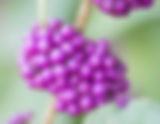
Callicarpa americana Callicarpa americana berries, close-up On Sale this September 8th through September 13th at Painters. American beautyberry is a fast growing, native, deciduous shrub mostly known for the magnificent violet-magenta berry display in late September and early October. The bright berries are a color not often seen in nature and their arrangement of tight clusters around the leaf nodes are just as unusual. While not one for stunning fall color, the anemic looking green leaves will quickly turn yellow before abscission, but the loss of leaves unveil the colorful, bright berries. The shrub is high-impact visually, a trait that benefits both the viewer and wildlife when planted en masse. Callicarpa americana, American Beautyberry Since the blooms and berries are borne on new growth, pruning is best done in late winter before leafing out. Prune down to 6-18” from ground if you’d like to keep the shrub looking its best. If left unchecked, the shrub can reach up to 8 feet tall and wide. American beautyberry does tend to get a little scraggly as it ages and benefits from a cleanup each year with removal of dead limbs at the very least. American beautyberry is considered a pioneer species, often appearing in open areas after land is cleared. This makes it an exceptional beneficial species as it provides a source of nutrient dense food for birds, mammals, and other wildlife in a landscape that could be going through transition and may not have a bounty of food or shelter at that moment in time. Nectar and pollen in early summer blooms attract native bees and butterflies. Pioneer species are generally tough plants that can handle volatile conditions. Beautyberry is highly tolerant of fire, drought (once established), and heavy browsing by animals. But with the hardy traits comes an intolerance of shade, so it often declines when mid-story vegetation is dense. When planting in the landscape make sure to keep the shrub at the edge of the woods or in open areas. Callicarpa americana flower close-up American beautyberry is a host plant for the rustic sphinx moth, spring azure butterflies, and snowberry clearwing moths. The fruit are high in moisture content, protein, and fat and provide food to over forty species of songbirds including American robin, cedar waxwings, warblers, finches, and the eastern towhee as well as mammals including armadillo, foxes, opossum, racoon, and squirrels. The fat content in the berries means amazing fuel for migrating birds in fall and winter when the fruit are present. American beautyberry has 70% fat content in the berries--as a comparison spicebush has 50% and native dogwoods have 25%. Asian beautyberries only have somewhere around 5% fat content. Asian beautyberries were introduced to the US in 1845 and are often found in commercial and home landscapes. (Painters even once carried the Asian variety. We all are learning and growing in our journey!) Not only are they considered invasive, but they can also hybridize with our native beautyberry. The hybridization can weaken the berries' nutritional value, favorable nesting habitat, palatability to host caterpillars, decrease berry size and the overall genetic strength of our native American beautyberry. You can identify Asian beautyberries by their looser fruit clusters that dangle further from the stem and ripen much earlier than the American species (August/early September). The branches on the Asian species are longer and weeping in habit and do not support nesting as much as the native species. One American beautyberry shrub can bear 3-5 pounds of fruit in one season and it’s not just enjoyed by wildlife, but humans as well! The fruit is not juicy, but more of a pithy pulp with a mild sweet taste with spicy notes, similar to Asian five spice. Harvest when the fruit tastes best after nighttime temps have dipped in the low 40s, but before fruit has experienced multiple freezes. You can find several recipes online for extracting the juice and making jelly, here's a great one: Growing Conditions and Quick Facts: Abundant berries from Callicarpa americana NAME: Callos means “beauty” and carpos means “fruit”. NATIVE RANGE: Distributed through the southeastern United States from Texas east to Maryland. It grows in the Caribbean and northern Mexico, too. FUN FACT: American beautyberry has antibacterial and pest-deterring properties. Native American tribes used roots, leaves and branches to treat malarial fevers, rheumatism, stomachaches and dysentery. In the early 20th century, farmers would crush the leaves and place them under the harnesses of horses and mules to repel mosquitoes. Crushing leaves and rubbing on your skin can also deter fire ants, ticks, deer flies and mosquitoes. Some people are allergic to the hairy leaves and it may cause contact dermatitis--make sure you’re not allergic before applying directly to your skin. The two compounds responsible for the repellant are callicarpenal and intermedeol. GROWING CONDITIONS: SOIL Prefers well-drained, moist soil rich in organic matter, but can tolerate sand or clay soils, too. Appreciates mulch to help keep roots protected and moist while becoming established. Handles a wide range of pH levels (4.8-7.0). SUNLIGHT Full sun is best for fruit production, but can tolerate light shade HEIGHT/WIDTH 3-8’ tall and wide--size can be easily managed with pruning in late winter/early spring ZONES (6)7-10 – American beautyberry is intolerant to cold temperatures in single digits or below, especially in younger more susceptible plants. If growing in zone 6, planting in a container and moving under cover in the winter could be beneficial.
- Will the Real New England Aster Please Stand Up?
This post is otherwise known as: I Promise These Are Different: An Aster Identification Rant And Stop Calling Everything a Daisy: An Aster Deep-Dive Or-- The "Is That a Weed or a Rare Perennial?" Guide to Asters at Painters Plus, The Aster Games: May the Odds of Identification Be Ever in Your Favor A.K.A. Aster? I Hardly Know Her! A Beginner’s Guide to Aster ID at Painters (At Painters, we have such a long and multilayered relationship with asters that the titles kept coming. These might nudge you in the direction we are going here...) But first!... a short and germane anecdote: I can never once think of asters without thinking of my husband. "Faster aster," says my silly dude on every fall hike we ever embark upon. "Faster aster," he points and winks. "Faster aster," in another mnemonic tap. (It's habit now. Likely just a steady way to punctuate the walk, but, man, there sure are a lot of asters out here!) A techie who married this nature-loving Luddite, he's pretty proud of the fact that he can identify this favorite pollinator plant among the native viburnums, rhodos, and oaks on our walk. His earnest appreciation makes me smile. So, in gentleness, I haven't yet told him of the KINDS of asters. Species. Varieties. Different habits and habitats. Various leaf traits. Distinct flower bracts. No. There is no need to strip that shiny accomplishment from him just now. No need to thrust him into the Cimmerian world of convoluted plant-I.D. like the rest of us! Because at the end of the day, you don’t need a botany degree to appreciate an aster. Whether you can name an exact species on site or simply point and say “aster,” these plants deliver on almost every gardener's wishlist: want a stunning fall blooming plant? (CHECK.) Looking to support migrating butterflies and tired bees? (CHECK.) Need something that is tough, adaptable, and easy to grow? (CHECK.) These attributes apply to asters in general. Now figuring out the right aster (and matching it to its best location) is where the fun starts—and it's also where knowing your species comes in handy! Basic Aster I.D. Among common WNC asters, I find that most folks usually know a Frost Aster when they see one--who can resist its happy charm! And Heart-Leafed Wood Asters are quite unique in leaf, flower, and location. Even Calico Asters are distinct enough to have a good go at i.d. with their spectrum of color in the centers and their small flowers clustered on just the one side of horizontal stems (a.k.a. side-flowering aster). But when it comes to the most domestically grown and easily confused native stars--Aromatic, New England, and New York asters--I have to admit that I am repeatedly stumped on telling them apart! Botanists and naturalists (of which there are at Painters, but I am not one!) have ways of identifying asters based on a series of distinct attributes. And there are great resources out there for really digging in (A great one! https://namethatplant.net/keys/key_aster.shtml). I certainly will not know them all, but I have a few tricks for winnowing down the basics. So whether you're trying to figure out what's already popping up in your yard or trying to tell apart similar greenhouse finds, you won't have to memorize every attribute. Here's my quick sheet for the straight species natives: (Note: cultivars may have different heights, habits and colors than the species): Feature Aromatic Aster New England Aster New York Aster Growth Habit Low, bushy mound, almost shrub-like Tall, upright, clumping Tall, upright, spreading Average Height 1 to 3 feet 3 to 6 feet 3 to 5 feet Foliage Scent Strong, rigid balsam aroma Faintly resinous or none No distinct scent Stem & Leaf Texture Densely hairy and stiff Softly hairy and sticky Smooth and hairless Bloom Timing Very late fall Late summer to early fall Late summer to early fall Clasping Leaves Do not wrap around the stem at all Heavily clasping leaves Clasp the stem very lightly if at all Key Identifying Feature Rigid aromatic leaves, dynamic late blue-purple blooms Sticky gland-tipped hairs on flower heads, intense purple-pink rays Bright yellow disk centers, smooth stems with smooth toothless leaves Right Plant Right Place So it’s clear that “aster” isn’t one static look! And once we’ve committed to planting them, knowing which is which helps you match the right plant to YOUR space. Do you have edge gardens resembling a shady woodland floor? Or might you be looking to plant on a sun-drenched, prairie-like border? Are you searching for low mounding flowers for the edge of a walkway or six-foot-tall towers for back-of-the-bed color? Should the habit be tidy and well-behaved or will you appreciate some wilder, wandering plants to naturalize an area? Let's start with the asters we commonly carry at Painters and a few ways to find the one right for your needs. Feel free to shout “Faster Aster” whenever the mood strikes! Native Straight Species Asters Frost Aster Symphyotrichum pilosum NATIVE perennial (z4-8) full-part sun, 2-4' tall and wide White blooms late summer through fall; fine hairs covering leaves and stems give the appearance of frost, thrives in open fields and spaces where it can freely self-seed Calico Aster Symphyotrichum lateriflorum NATIVE perennial (z4-8) full sun-part shade, 2-3' tall and wide Easy care; tolerates flood and drought Named for the variety of colors displayed in the flowers' centers, ranging from yellow to purple Small flowers clustered on just the one side of horizontal stems (a.k.a. side-flowering aster) Blue Wood Aster Symphyotrichum cordifolium (Heart-Leafed) NATIVE perennial (z3-8) full sun-part shade, 3-4' tall, 1-2' wide Prefers partial shady conditions and appreciates good air circulation Great for a woodland garden or naturalized area A late-season boon for pollinators, when many other perennials are winding down New England Aster Symphyotrichum novae-angliae NATIVE perennial (z4-8) full-part sun, 3-6' tall, 2-3' wide Profuse purple blooms late summer to fall; thrives in rich, moist, well-drained soil with good air circulation Highly valuable for a vast range of wildlife, from bees and butterflies to birds and small mammals Aromatic Aster Symphyotrichum oblongifolium NATIVE perennial (z3-8) full sun, 1-3' tall and wide Fragrant blue-green foliage; It thrives in dry, rocky, or poor soils, whereas New England and New York asters prefer richer, moister ground. It is often the very last wildflower to bloom in autumn, frequently lasting well into November. Hybrids and Nativars The plants we carry will vary from season to season at Painters depending on sourcing and what we love to grow most! This list is for Fall 2026: Aster hybrid Symphyotrichum oblongifolium x novae-angliae Aster 'Thunderdome' NATIVAR perennial (z4-8) full-part sun, 3-4' tall, 2-3' wide Deep purple blooms late summer to fall provide abundant autumn beauty and food for pollinators; aromatic foliage is deer and rabbit resistant New England Aster Symphyotrichum novae-angliae 'Grape Crush' NATIVAR perennial (z3-8) full sun-part shade, 2' tall, 3' wide Rounded, mounding habit, smothered with densely packed, rich purple flowers in fall -- provides a feast for pollinators as well as a fabulously carefree end-of-season display Thrives in rich, evenly moist soil with good air circulation Drought tolerant, butterflies, cut flowers, resembles a mum, but hardy New York Aster Symphyotrichum novi-belgii 'Believer Purple' NATIVAR perennial (z3-8) full sun-part shade, 12-18'' tall and wide Sturdy, compact cultivar with cheery purple blooms late summer to fall Thrives in rich, moist soil; deer resistant, juglone tolerant New York Aster Symphyotrichum novi-belgii 'Daydream Lavender' NATIVAR perennial (z3-8) full sun-part shade, 1-2' tall and wide Sturdy, compact cultivar with pale purple blooms New York Aster Symphyotrichum novi-belgii 'Dragon Blue' NATIVAR perennial (z4-8) full sun, 12-18'' tall and wide Compact cultivar with bright purple-blue blooms New York Aster Symphyotrichum novi-belgii 'Hazy Dark Pink' NATIVAR perennial (z3-8) full sun, 12-15'' tall and wide Compact cultivar, smothered in rich pink flowers And More Ornamental Asters We carry a range of choices of beautiful and beneficial non-native asters each year. Here are a few we can't help but love: Heath Aster Symphyotrichum ericoides 'Snow Flurry' Perennial (z5-8) full-part sun, 6-8'' tall, 18-24'' wide Species native to dry prairies and roadsides of most of N. America; prostrate cultivar that forms a low, dense groundcover Smothered with tiny white flowers in fall; feeds butterflies late in the season when other blooms have faded Sky Blue Aster Symphyotrichum oolentangiense Perennial (z3-8) full sun, 2-3' tall, 1-2' wide Native to central and eastern N. America, named after the Olentangy River in Ohio where it was discovered; endangered in much of its native range due to destruction of prairies and overmowing of roadsides Pale purple-blue blooms in fall, great for pollinators Drought tolerant; must have well-drained soil to thrive Climbing Aster Ampelaster carolinianus Perennial (z6-9) full sun-part shade, 6-10' tall, 3-6' wide Native to the southeastern coastal plain, including a small part of NC; exceptionally beautiful and valuable to a wide range of wildlife Sprawling, climbing habit, ideal for a fence or arbor; smothered in lavender-pink blooms late summer to frost Remember to view our Growing and Availability Lists to see what's on deck at Painters this season! Happy hunting! or Faster Aster!
- Deer Resistant Plants
Deer munching on their favorite... hostas!! Hate to break it to ya. Deer resistant is not deer proof. No plant is deer proof. Seriously. No. plant. is. deer. proof. When hungry, they will eat anything to survive. (I'm looking at you, wintertime evergreens...) Deer will joyfully nosh on almost everything in spring when there is tender new growth. They especially relish flower buds. Over-fertilized and over-watered plants are particularly lush and appealing to deer. So what's a gardener to do?! Before you throw up your hands and pave the yard, know that there are some strategies to deter these friendly, furry plant scourge. Aroma Deer tend to avoid plants with fragrant leaves making herbs a great choice, like rosemary, sage and lavender. Flowers like salvia and peonies, which have a strong scent, are also unappealing to deer. Shrubs like Lilac Chaste Tree and Caryopteris are extremely resistant to deer and rabbits due to their fragrant blooms and foliage. We highly recommend them and consistently stock them for this reason. (Bonus - they are also great substitutes for butterfly bush - while also not native, they are not invasive, and pollinators love them!) Texture, Spines, or Fuzz Deer are not fond of the feel of mullein or lamb's ear. Deer stay away from plants that have prickly textures, such as boxwood and bearberry, or coneflowers with their hairy leaves and stems are unappealing to deer. Magnolias and Leucothoe are generally rock solid in deer deterrence because of their growth habits and leathery leaves. Find a great selection of both genera at Painters during any season. We are currently carrying Umbrella, Fraser and Sweetbay Magnolias--great native options--as well as several other super cultivars. And always popular, the natives and the varieties of Leucothoe axillaris and Leucothoe fontanesiana move quickly! Toxic plants Deer generally steer clear of toxic plants, including daffodils and bleeding heart. Yews, although toxic, are a bit more complicated. The Japanese plum yew, Cephalotaxus, is considered to be quite resistant to deer. (Although, again, if they are without options, they can eat this too!) But do not confuse a Japanese plum yew with the common yew or English yew, Taxus, which are deer magnets!! Rutgers University classified these as “frequently severely damaged” on their list of Landscape Plants Rated by Deer Resistance. If you are looking to deter deer from your garden, opt for a plant belonging to the Cephalotaxus genus and avoid Taxus yews. Japanese Plum Yew Ferns and Grasses generally have great resistance to deer. Whether you love big statement plants like ostrich ferns or royal ferns, or you are looking for some gorgeous color with Autumn ferns or Painted ferns, you have many varieties to try. The deer generally won't! Same goes for those gorgeous grasses! Little Bluestem, Blue Fescue, Fountain Grass, Switch Grass, Northern Sea Oats, Feather Reed Grass, Pink Muhly, Big Bluestem... and the list goes on and on. Scroll all the way down to download our list of favorites! And don't forget to use tools where you can. Physical barriers are helpful. Young trees are most at risk--fencing and wire caging can help during the early growth. Similarly, vegetables, fruit trees, and bushes can be covered with netting during the growing season (this might help with more than just deer!) Or try our favorite product for deer and rabbit deterrence: Green Screen. A mixture of bone meal, blood meal, and a pepper blend, it's 100% organic and non-toxic and we find that it really works! (We don't currently have any stocked at Painters, but you can buy direct from their website if you don't find it locally.) And the Availability Lists at Painters allow you to sort for some of our most deer resistant plants. Use the search tool at the top of the chart in our Growing List or the Tree and Shrub Availability list. We've done our best to mark those with higher success. A preview of our Tree and Shrub Availability. Click to learn more! Another angle of research would be to make sure to know which plants you want to steer clear of--read up on common plants that are perfectly delicious to deer! You can anticipate some munching if you have deer neighbors and daylilies, hostas, arborvitae, strawberries, or more in your yard... download our most requested handout! And finally, in the end, take a deep breath. Give it your best shot. And know that all rules can be broken, guidelines are just guidelines, and plants are greens--which just might mean food.
- Roll out the Red Carpet: Tips & Picks for Vibrant Red Blooms
The color red is associated with both positive and negative emotions. It is linked to passion and love as well as power and energy (...and sometime anger!). In any form, it elicits a strong response. And in plants, people love it or hate it. It's the color that refuses to blend in. Because it is so eye-catching, it can be used sparingly as an effective accent, or you can "paint the town red" and go all in with lots of scarlet color. Hot colors, like red or orange, are visually advancing colors, meaning they 'jump forward' and can create an appearance of looking closer than in actuality. In a large yard, plant a mass of red at the far edge of your property to visually pull the boundary in. (Pineapple sage, anyone?) Similarly, because the human eye easily locks onto red colors so easily, you have some great ways to use this. You can make it a single focal point to draw the eye exactly where you want people to look: a floral focal point! (Perfect use for the quintessential red geranium.) You could use the red as a frame for a different specimen plant. Or you could repeat the same red plant in a sweeping drift through a garden bed to guide the viewer's eye across the landscape. (Designers often recommend these rivers of color instead of scattering single plants randomly which can make the eyes jump around nervously.) How red behaves also depends on what is sitting next to it. Pair red with its complementary green color and that foliage acts as the perfect stage to make the scarlet blooms absolutely explode. Pair red with more vibrant yellows or lime greens (like a bright sweet potato vine) to create a high-energy, summery vibe that creates a pop of joy. Or for a more sophisticated match, pair red with deep purples, burgundies, and blues (i.e. trailing blue lobelia or an alternanthera) to cool down the aggressive nature of the red and create a rich color combination. And for sure, if you are wanting to view hummingbirds and pollinators from your porch, red is your cheat code. Plant native honeysuckle, beebalm, and annual sages close to windows or patios where you can enjoy the show! Whatever your design choice, make it a red-letter day! Join us at Painters and grab your favorite ruby-hued bloom. Just be careful not to fill your cart too high—you wouldn’t want to get caught red-handed taking the very last one... or would you? (As always, our inventory sells fast. Before you get your beating red heart totally set on one particular plant, check prices, sizes, and current season availability on our Growing & Availability Lists:) RED in Name Sometimes the vibrancy is so undeniable that "red" is the only word bold enough to cover it. Check out these high-energy, head-turning focal points. RED Perennials Bring that bold, scarlet energy back year after year so you can skip the replanting and get straight to the admiring. RED-ish Blooms It turns out that in the botanical world, "red" is sometime more of a vibrant suggestion than a literal description, frequently leaning into those deep magentas and punchy pinks that still pack a scarlet punch. Straight Up Red Annuals The O.G. Red Geranium is an undisputed icon but don't overlook the other scarlet stars that can bring that same heat: Punchy Alternatives Sometimes you need a blaze without screaming fire. Here are a few show-stopper alternatives that are solid standouts, without the crimson hue.
- Our Favorite Annual Hanging Baskets for Sun and Shade
Hanging baskets are the perfect way to make the most of your space and add dimension, texture, and color to your yard, porch, or balcony. Here are some of our favorites annual hanging baskets for both sun and shade! Hanging Baskets for Sun GERANIUM A summertime staple, geraniums are versatile and heat tolerant. They have a mounding or semi-trailing habit and are available in a variety of colors. Their preferred location is morning sun and some afternoon shade - they can also thrive in full sun as long as you don't let them fully dry out. To encourage new, full blooms all summer, feed every 10-14 days and deadhead spent blooms. DRAGONWING BEGONIAS The number of begonia varieties out there is truly astounding. One of our favorite full-sun to part shade varieties is Dragonwing Begonia. One of the most popular plants for porch pots and combos, this plant also does great in a hanging basket. With blooms that will flower from spring through frost, and large glossy leaves, it’s no wonder this is a timeless classic. Dragonwing begonias are heat tolerant, can handle a few skipped days of watering, have a nice branching habit, and require no pruning or dead heading. Available in pink or red. Note: we recommend that with all begonias, you avoid watering them in the heat of the day. Water on the leaves can cause sun scorch. We water ours before 10am at the greenhouse. GIANT WAX BEGONIA - BRONZE LEAF OR GREEN LEAF Another favorite begonia, the Giant Wax Begonia, is a hybrid cross between wax and angel wing begonias. It's vigorous, bushy, and heavy-blooming. With a tidier upright habit, it makes for a fabulous 'thriller' component to a combo pot as well as making a full basket on its own. It appreciates full to partial sun and evenly moist soil, and will bloom spring through fall. Big color, big size, big impact! SCAEVOLA (FAN FLOWER) The beautiful trailing habit and abundant fan-shaped flowers of this unique plant are sure to intrigue you and your guests all summer long. Sometimes know as the 'Fairy Fan Flower' this annual will live up to its name as it spills over the side of your hanging basket. In a hot and humid climate this annual will offer blooms from early spring until first frost. Its thick stems provide an extra layer of drought tolerance making it a perfect choice for hanging baskets, which tend to dry out quicker than pots. It does not need to be pinched back, requires little in the way of fertilizing, and can bounce back from a few skipped days of watering (though it will be healthiest if watered daily in full sun spots). PETUNIAS Petunias are a timeless garden favorite, offering big impact with bright blooms in a limitless array of colors from early spring to first frost. While petunias can tolerate part sun they give off their best show in full sun with regular fertilizer. We are continually adding new cultivars to our program each year featuring a range of colors, flower sizes and habits. No variety of petunia is maintenance-free, but some do bloom better if regularly deadheaded. You can typically tell by looking at a petunia basket if it's one that will need more regular cleanup, but most petunias grown and sold today will continue to bloom regardless of deadheading. We do recommend daily watering (sometimes twice daily when hot or windy), and many petunias benefit from being pruned back when they get leggy in the heat of summer--they'll then send out fresh new growth and blooms. CALIBRACHOA (MILLION BELLS) Also known as Million Bells, Calibrachoa is a full-sun annual with a gorgeous mounding and trailing growth habit available in single or double blooming and a multitude of solid, bicolor, and ombre shades. The blooms are similar to that of its cousin, the petunia, but miniature! And what its flowers lack in size they make up for in abundance. These bright blooms also attract hummingbirds and butterflies to your front porch or garden. Like the petunia, million bells enjoy full sun to part sun, but you’ll get the most blooms in 6+ hours of full sun. Calibrachoa's flowers will go strong through the heat of summer and it does not require deadheading to look tidy or keep blooming, but it does need regular fertilizing. Keep their soil lightly moist and avoid consistently wet soil, but don't allow to fully dry out (on super hot and/or windy days, you may have to water twice). PORTULACA (MOSS ROSES) This annual flowering succulent offers some of the brightest blooms in an array of pinks, oranges, and yellows and is a great choice for someone who prefers low maintenance plants. Its flowers open and close with the sun, so be sure to keep this plant in a full sun spot to enjoy the bright pops of color that emerge anew every morning. Because it is a succulent, this plant can tolerate high heat, drought conditions, and requires less frequent watering than other annuals on this list. This low maintenance plant only requires water when the top 1/2-1" is completely dry. LANTANA Lantana is a profusely flowering plant that will provide a long-lasting show of color. Plus this beauty is a tried-and-true butterfly favorite! Versatile and easy to grow, it requires full sun (6+ hours per day) and is quite tolerant of hot and dry conditions which makes it an excellent choice for a hanging basket. Deadhead spent flowers regularly to promote new blooms, and if plants become leggy by midsummer, cut back by up to one-third. LOBELIA There truly is no blue more vibrant in the flower world than lobelia! While it's often thought to be difficult, the combination of a good cultivar (we've got you covered) and the right light and watering results in an easy-care basket with stunning blooms all season. We recommend 4-6 hours of morning sun or part shade (avoid prolonged afternoon sun), and keeping the soil lightly moist. Regular feed helps too as it does all blooming baskets. These beauties attract butterflies as well as humans! Hanging Baskets for Shade SWEDISH IVY Purple Swedish Ivy and Variegated Swedish Ivy Popular as a houseplant for years, Swedish Ivy grows well as an annual hanging basket for shady or partially shady spaces. The variegated variety has bicolored foliage, and the purple has glossy green leaves with rich purple undersides. You may find other variations in color as well but these are our favorite for growth habit. They also make great spillers for container combinations. Both purple and variegated have textured and fragrant foliage (some find the scent very strong) with small tubular blooms in optimal conditions. Swedish Ivy is easy to grow, heat tolerant, and nontoxic to pets and humans. STREPTOCARPELLA (FALSE AFRICAN VIOLET) Streptocarpella, also known as a False African Violet, or Nodding Violet, has airy, dainty blooms all season and is loved by hummingbirds and Painter's staff alike! Choose from lilac-blue or white. Streptocarpella is a beautiful, easy-care choice for part shade, filtered sun, or bright indirect light. It's also a great filler with other plants in shady combination pots or baskets. Direct hot sun, cold nights, and even cold water can cause burn on the delicate foliage so wait to put out until it's consistently above 60 degrees day and night. Then after the summer season is over, move it indoors to bright indirect light for a happy houseplant! TUBEROUS BEGONIA There are so many varieties of begonias! Fragrant Falls, Waterfall, Nonstop and many other varieties fall into the group of Tuberous Begonias. Some have large, layered, rose-like blooms and mounding habits, while others have smaller cascading blooms and more open habits--and they come in a range of bloom and leaf colors. They are another popular basket for attracting hummingbirds, and for some reason seem to be a favorite nesting site for wrens! They are a bit particular about their growing conditions--dappled sun, and bright indirect light or a touch of morning sun is best, and like Torenia, avoid letting them sit wet and avoid overcrowding them. Once you find a spot they like, you'll be hard pressed to plant anything else! TRADESCANTIA (WANDERING JEWEL) There are almost as many names as there are varieties of this shade-loving plant. Tradescantia, also commonly known as Wandering Jew, Wandering Dude, and Wandering Jewel among others, is grown as a trailing annual or houseplant. It appreciates lightly moist soil and part shade (morning sun is fine). Darker-leafed varieties can tolerate more sun and can often be grown in full sun if gradually adapted. Pinching back and pruning encourages bushier growth, or you can let them go and watch them reach 3-4' in length by fall! It's the perfect patio plant as it can be overwintered indoors to be enjoyed year after year! We've become known for our massive tradescantia baskets along with our giant ferns, and we try new varieties every chance we get! FUCHSIA Gorgeous, eye-catching blooms brighten up shady spots all season long. And with their bright colors and draping blooms, they are adored by hummingbirds! These plants thrives in consistently moist soil so keep them watered. And they bloom best with regular deadheading and feeding every couple weeks or so. CHINESE LANTERN Aka trailing abutilon or Brazilian bellflower. It can trail up to 6 feet!! The bright red-yellow drooping 'lanterns' bloom all season long, to the delight of butterflies, hummingbirds, and people alike. This plant thrives in rich, evenly moist, well-drained soil and it can handle a bit more sun, but appreciates shade. Plus, it's always a bonus when you can bring it indoors to overwinter (in bright indirect light)! NEW GUINEA IMPATIENS (INCLUDING SUNPATIENS) These hybrid impatiens enjoy part shade, and make a cheery addition to a shady porch. New Guinea impatiens are perfect for someone who likes a tidier look as they do not trail but have a nice upright, mounded habit and will fill out a basket beautifully from spring through autumn. Available at Painters in a variety of colors, you can also consider pairing them with trailing plants like Dichondra Silver Falls or Sweet Potato Vine if you do want to add some spilling plants to your basket. These easy-to-grow plants are low maintenance and require moderate watering. They do appreciate a liquid feed every two weeks or so to continue blooming prolifically. TROPICAL FERNS: BOSTON, MACHO, AND KIMBERLEY QUEEN FERNS And of course, our absolute favorites for shade, and what Painters is known for: FERNS! Read all about choosing your favorite or the best fit for your space in our Blog: Which Tropical Fern is Right for Me? As always find current prices, sizes and availability on our website: Updated from the 2022 Blog: Hanging Baskets for Sun
- Painters Perennials for your Shade Garden: Part I
The grass is always greener on the other side… or is it? Most of our customers who have shady yards are desperate for more sun, and while they may not be able to grow a sunny pollinator garden, there are so many stunning textures, shapes and colors that we love for shady spaces! Ideally, we’d give you a short list of our favorites, but there are so many we love that we decided we needed two weeks to present them all! This week we are focusing on lower-growing plants, most of which put on their show in early to mid spring. Join Dana on Sunday, April 7, 2024, for our first Talk and Tour, as she takes attendees on a tour of our shade plants and discusses favorites, why she loves them, ideal growing conditions and more! LOW-GROWING SHADE PERENNIALS Christmas Fern, Polystichum acrostichoides NATIVE perennial (z3-9) part-full shade, 12-18'' tall and wide Glossy, leathery, evergreen foliage; upright, clumping habit Can tolerate dryish, rocky soils Can fade/look stressed in heat of summer or depth of cold winter, but does stay evergreen. Lungwort, Pulmonaria x 'Raspberry Splash' Perennial (z4-9) part-full shade, 12-18'' tall and wide Intensely colorful early spring blooms start out bright pink and mature to rich purple Prized for its gorgeous, mottled, semi-evergreen foliage; excellent groundcover for woodland settings Thrives in rich, moist, well-drained soil that does not dry out in hot summers; must have protection from afternoon sun GROUNDCOVERS & EDGING Japanese Forest Grass, 'All Gold' Perennial grass (z5-9) full shade-part sun, 12-18'' tall, 20-24'' wide Bright golden-chartreuse color gleams in the shade - lovely flowing texture as well Foliage turns pink-tan in fall Likes well-draining soil; great in containers *May not have this spring 2024. Siberian Bugloss, Brunnera macrophylla 'Silver Heart' & 'Alexander's Great' Perennial (z4-8) full-part shade 'Silver Heart' is 6-12'' tall & 1-2' wide, 'Alexander's Great' is 12-18'' tall & 24-30'' wide Large, silvery, heart-shaped leaves are stunning in gardens & containers Exquisite, petite, bright blue blooms early spring Remarkably tough cultivar, stands up well to heat and humidity; excellent groundcover for moist, well-drained woodland Aka false forget-me-not Wild Ginger, Asarum canadense NATIVE perennial (z4-6) full-part shade, 6-12'' tall, 12-18'' wide Cup-shaped, unique purple-brown flowers appear in spring Attractive groundcover for shady spots - glossy, low growing foliage is slow to spread Woodland Phlox, Phlox divericata 'Blue Moon', 'May Breeze' NATIVAR perennial (z3-8) part-full shade Blue Moon is 8-12'' tall & wide, May Breeze is 12-15" tall & wide Clusters of lovely fragrant blooms in spring, adored by pollinators (white or blue) Can naturalize in time, creating a beautiful woodland carpet of flowers in spring Dwarf Crested Iris, Iris cristata NATIVE perennial (z3-9) full sun-part shade, 6-9'' tall and wide Pale blue iris flowers with gold crests in spring; narrow, sword-shaped leaves Grows low and spreads rapidly, good woodland groundcover Fun fact: Irises are named for the Greek goddess of the rainbow Green and Gold, Chrysogonum virginianum NATIVE perennial (z6-8) full-part shade, 3-6'' tall, 18-24'' spread Yellow blooms April-October, with a lull during hottest months A great shade groundcover Seeds provide food for birds; one of the best performers at the WNC Arboretum Allegheny Spurge, Pachysandra procumbens NATIVE perennial (z4-9) full-part shade, 6-10'' tall, 1-2' wide Semi-evergreen, foliage emerges mottled and matures to solid green Fragrant flower spikes in spring A truly lovely native groundcover, but a slow spreader Barrenwort aka Bishop's Hat, Epimedium x perralchicum 'Fröhnleiten' Perennial (z5-9) part-full shade, 4-8'' tall, 1-2' wide A compact cultivar and one of the toughest -- makes an excellent weed-suppressing evergreen groundcover for dry shade Bright yellow flowers in spring; attractive foliage takes on bronze tones in spring and fall Drought tolerant, deer and rabbit resistant Bugleweed, Ajuga reptans 'Chocolate Chip' Perennial (z3-10) evergreen, full-part sun, 3'' tall, 9-12'' wide Dwarf variety with smaller, deep maroon leaves Brilliant violet-blue flower stalks in spring Excellent for small spaces; doesn't spread as aggressively as species Bugleweed, Ajuga reptans 'Mahoghany' Perennial (z4-11) evergreen, full sun-part shade, 3-6'' tall, 12-18'' wide Dense, rapidly spreading groundcover Larger leaves emerge black-burgundy and mature to deep mahogany Spikes of lavender-blue blooms in spring Yellow Archangel, Lamium galeobdolon 'Hermann's Pride' Perennial (z6-10) part-full shade, 8-12 tall, 12-18 wide One of the easiest and loveliest solutions for dry shade; beautiful silver-streaked foliage Tubular butter-yellow blooms late spring Restrained mounding habit, not overly aggressive Spotted Deadnettle, Lamium maculatum 'White Nancy' Perennial (z3-8) part-full shade, 6-8'' tall, 2-3' wide Variegated silvery-white, heart-shaped leaves with green margins; beautiful groundcover White blooms spring to summer; cut back after flowering to stimulate new growth Prefers moist, well-drained soil SPRING EPHEMERALS The following ephemerals (native plants with short periods of active growth, often growing only during brief periods when conditions are favorable) put on their show in woodland habitats in early to mid spring. Plant them in part shade and lightly moist, rich soil (think forest floor) for best performance. While their show is short-lived, they're each magical in their own right and often my favorites in the garden each year. We have several other spring wildflower species as well! Native Trilliums - Trillium grandiflorum, cuneatum, erectum, luteum, recurvatum & more NATIVE perennials, hardiness range from zones 3-9, size range from 3-18'' tall & 6-12'' wide Bloom colors can be white, maroon, pale pink or yellow, and species such as T. cuneatum have lovely mottled foliage and sweet-smelling blooms. Go dormant mid-summer Mayapple, Podophyllum peltatum NATIVE perennial (z3-8) part-full shade, 12-18'' tall and wide White spring blooms hide beneath umbrella-like foliage One of the first to emerge in spring - unfurling leaves are simply magical Perfect for naturalizing in woodland areas; goes dormant in summer Jack in the Pulpit, Arisaema triphyllum NATIVE perennial (z4-9) part-full shade, 1-2' tall, 1' wide Unique dark purple and green striped spathe blooms in spring are a showstopper Goes dormant mid-summer Clump-forming habit; needs consistently moist soil Celandine Poppy, Stylophorum diphyllum NATIVE perennial (z4-9) part-full shade, 1' tall and wide Cheery yellow spring flowers atop pretty, lacy foliage - a staff favorite! Self-seeds in optimal conditions Thrives in moist woodlands and stream banks; excellent choice for native rain gardens
- Which Tropical Fern is Right for Me?
Ferns come in many shapes and sizes! We grow a wide selection including native and semi-evergreen perennial ferns (such as Cinnamon Ferns and Autumn Ferns), houseplant ferns (including the popular Bird's Nest Fern, Blue Star Fern, and Staghorn Fern), and tropical ferns that you typically see adorning southern porches (including Boston Ferns, Macho Ferns, and Kimberley Queen Ferns). While we grow ferns of all types, we are famous for having the largest, healthiest, and most affordable tropical ferns around - let's talk more about them! WHAT IS A TROPICAL FERN? Technically a tropical fern is any fern that will not survive the winter outdoors in your climate. Ferns grown as houseplants are often tropical ferns, but for the sake of this article, we are using the term 'tropical fern' to talk specifically about three varieties commonly used outdoors in our warmer months: Boston Ferns, Macho Ferns, and Kimberley Queen Ferns. What makes these ferns special? All three LOVE humidity, can grow to immense size, and thrive outside on a covered patio/porch in warmer months. These varieties can be brought indoors over winter, but some do better than others (more info below). What else sets them apart? We spend 6+ months growing these ferns from tiny plugs into giant statement pieces to have them ready for customers each spring! You may be surprised to learn that our production team starts the process in July when they transplant almost 5,000 1-inch baby ferns! There is something special about being involved in each step of the growing process--we can tell you everything that has touched these ferns, can guarantee they were grown with love, plus, locally grown means a smaller carbon footprint (no transporting fully grown plants). Though getting thousands of ferns to maturity and hanging from the greenhouse ceiling is no easy feat! But how do you know which tropical fern is right for me? WHICH TROPICAL FERN TO CHOOSE? BOSTON FERNS Common Names: Boston Fern Scientific Name: Nephrolepis exaltata Mature Size: 2 to 3 feet tall and wide Sun Exposure: Partial shade/dappled shade Soil Type: Moist, well-drained Hardiness Zone: 10 to 12 (USDA) Native Area: Americas, Africa, Polynesia These are by far our most popular ferns and what we have become known for! If you've ever seen a photo from Painters Greenhouse with endless rows of ferns on the ceiling, you are most likely looking at Boston Ferns - we grow over 4,000 of them each year! When you think of hanging porch ferns, these are probably what comes to mind. They like to remain evenly moist, cannot tolerate direct sun but do well in medium/bright indirect light, can grow 2-3 wide, and while they have been used in decor since Victorian times, their tendency to shed means we prefer to keep them on the porch during the warmer months and treat them as annuals rather than bringing them inside. These ferns are well suited to hanging baskets and plant stands; their bushy nature and the gentle 'weep' of their fronds will eventually envelop their container. Don't be fooled, this variety of fern is not native to Boston. It is native to tropical regions of South America, Mexico, Africa, and Polynesia. Thriving in humid forests and swamps, it definitely would not survive a snowy New England winter! MACHO FERNS Common Name: Macho Fern, Broad Sword Fern Scientific Name: Nephrolepis biserrata Mature Size: 3-4 ft. tall/long, up to 6 ft. wide Sun Exposure: Partial sun to shade Soil Type: Moist but well-draining Hardiness Zones: 9a-10b Native Area: Florida The name says it all! These big guys like bright morning light and can grow up to 4 ft long and 5-6ft wide! Their fronds have a thicker, leathery appearance and glossy shine, which combined with their size make quite the statement. Compared to a Boston Fern whose smaller leaflets have a shaggy appearance and serrated edges, Macho Fern leaflets are smoother, shinier, and do not have serrated edges. They can also tolerate more sun than a Boston Fern (but still do not like direct, intense sun). They are slightly less likely to shed but still may be tough to overwinter in your house without supplemental humidity. KIMBERLEY QUEEN FERNS Common Names: Kimberley Queen Fern, Kimberly Queen, Kim Queen Fern Scientific Name: Nephrolepis obliterata Mature Size: 2–3 ft. tall, 2–4 ft. wide Sun Exposure: Sun to part shade Soil Type: Moist, well-drained Hardiness Zones: 9–11 (USDA) Native Area: Australia This fern has more of an upright growth habit and is especially well-suited to porch pots. Out of the three ferns, this is the best choice for an indoor fern, as it sheds little and will over-winter nicely indoors. Additionally, Kimberley Queen ferns can tolerate the most light of those listed (and also survive in very low light!). Kimberley Queen Ferns have more rigid, upright fronds and are perfect in pots flanking a pathway or entrance. CHOOSING THE RIGHT FERN BASED ON LIGHT SHADE TO PART SUN: Boston Ferns PART SHADE TO PART SUN: Macho Ferns PART SUN TO SUN: Kimberley Queen Ferns TIPS FOR GROWING FERNS ROTATE: Whether your fern is hanging on your porch or sitting in a porch pot, it is a good idea to rotate it occasionally. This provides all parts of the plant with equal sun and encourages even growth all around the plant. FERTILIZE: Fertilize your fern once a month throughout the spring, summer, and into the early fall. We like a water-soluble, nitrogen-rich fertilizer. WATER REGULARLY: No fern likes to dry out completely. If your fern is in a hanging basket, remember that baskets tend to dry out more quickly and will therefore need more frequent watering. Our giant ferns are gorgeous, but do typically need daily deep watering to maintain all of that foliage! TEMPERATURE: Watch those nighttime temps! Folks are often itching to purchase their ferns in the springtime before they are ready to live outside on the porch. A good rule of thumb is to wait until it is at least 50 degrees at night before letting them stay out. OVER-WINTERING: Location, humidity, and water are essential for an attempt at overwintering. Remember that even a dormant fern likes moisture, and a heated home can dry out a plant quickly. Give your plant a good soaking in the shower a few times throughout the winter months and consider adding more humidity to the environment with a humidifier. You can also cut back your fern to limit shedding. Find Prices, Sizes, and Availability on our Website. And don't forget to check out our Houseplant Availability to see which reliable houseplant ferns we are carrying right now.
- BASIL-cally, All the Basils: 12 Different Varieties and How to Use Them
I can’t think of anything more delightful than the taste of summer. And to me this is thick slabs of sliced tomato with a generous chiffonade of fresh basil. My mouth is watering just thinking of it! Often when we are referring to basil, we are referring to its use in western culinary tradition–maybe sweet basil or Genovese basil–but there are so many more varieties to choose from! Each year Painters grows a broad selection. Don’t miss trying a new variety. Ocimum basilicum is an annual herb of the mint family Lamiaceae that is grown for its aromatic leaves. Across many cuisines and cultures (think Italian, Thai, Indonesian, or Vietnamese), the leaves are used fresh or dried to flavor vegetables, sauces, meats, and fish. It can be brewed into tea or used in cocktails or other cool drinks. Because the aromatic compounds vary widely with each cultivar, each of the various basils have distinct scents and flavors. Experiment with new varieties of basil to SPICE up your kitchen! Maybe try a Lemon Basil beverage or cocktail. Make a Red Rubin Basil-infused vinaigrette or Cinnamon Basil shortbread. Whip up a batch of your favorite pesto from the copious leaves of Pesto Perpetuo (or read all the way to the end to find Painter's famous Pesto Recipe)! Beyond the kitchen, basil can also be used medicinally*. All varieties of basil contain vitamins and minerals, as well as antioxidants within the fresh leaves and the essential oils. Holy basil (or tulsi) has been used therapeutically in Ayurvedic medicine for centuries for its anti-inflammatory properties and to reduce stress. Basil essential oil has been shown to reduce the symptoms of migraines. And of course, beyond consumption, many varieties of basil are renowned for their gorgeous foliage or their attractiveness to pollinators! Pesto Perpetuo's variegated leaves add a bright filler in a garden space, and Purple Ruffles Basil's frilly, deep purple leaves give a nice contrast. Siam Queen Basil’s violet-pink blooms are great for pollinators or, my favorite, African Blue Basil is loved for its hardiness and long lasting color (the flowers and the foliage) and will attract bees and butterflies all summer. When growing basil, remember that all basils are very sensitive to frost, so plant in the ground after the last spring frost date. They are best grown in full sun in moderately rich and well-drained soil and require consistent and regular moisture throughout the growing season. While generally basils thrive in warm, sunny sites, some varieties have more tolerance for a bit of afternoon shade. And in our region, do watch out for blight and downy mildew as basils grown in humidity are susceptible to these conditions. Give them plenty of space to air out! *When using herbal medicine, it is important to make informed decisions. Consult your trusted healthcare provider to help review and individualize your use to be sure it is safe and supports your health needs. Varieties of Basil Available at Painters for 2024 Sweet Basil Ocimum basilicum Annual, full sun, 2' tall and wide One of the most popular culinary herbs with marvelously fragrant leaves -- the quintessential scent of summer! Reliable and easy; loves warm, sunny weather and regular watering Pinch back flower buds for continued leaf growth Cinnamon Basil Ocimum basilicum 'Cinnamon' Annual herb, full sun, 18-30'' tall, 12-18'' wide Cinnamon-scented leaves Purple stems, small purple blooms in summer; suitable for container growing Often used in Mexican cuisine; delicious in tea, salads, and cocktails (try it in place of mint -- yummm) Everleaf Basil Ocimum basilicum 'Everleaf Genovese' Annual herb, full sun, 1-2' tall and wide Compact and extremely high-yielding, with large, full, aromatic leaves Slow to flower, disease resistant Robust flavor, perfect for pesto Siam Queen (Thai) Basil Ociumum basilicum 'Siam Queen' Annual, full sun, 2-3' tall and wide Heirloom variety native to southeast Asia with a rich licorice aroma and distinctive flavor Perfect for soups, stir-fries, and spicy Thai cuisine Highly ornamental purple-red stems and violet-pink blooms Red Rubin Basil Ocimum basilicum 'Red Rubin' Annual, full sun, 10-12'' tall, 8-10'' wide Compact, dark-leafed variety that combines ornamental appeal and intense, spicy flavor Striking container or accent plant; excellent for garnishing or flavoring vinegars and oils Sweet Italian Large Leaf Basil Ocimum basilicum 'Sweet Italian Large Leaf' Annual, full sun, 12-15'' tall, 10'' wide Marvelously fragrant leaves up to 4'' long One of the most popular culinary herbs, and the basil of choice for all manner of Italian recipes Reliable and easy; pinch back flower buds for continued leaf growth Tuscany (Lettuce-Leaf) Basil Ocimum basilicum 'Tuscany' Annual herb, full sun, 12-16'' tall and wide Lettuce-leaf variety with very large (3-5'') ruffled leaves Delicious mild basil-anise flavor Large leaves are excellent for salads or wraps Appreciates rich, moist soil Lemon Basil Ocimum basilicum x 'Lemon' Annual herb, full sun, 1-2' tall and wide Refreshing, sweet lemony aroma and flavor -- a delicious finishing touch for countless beverages and dishes Attractive spikes of small, white, fragrant flowers in summer Thrives in rich, well-drained soil with regular, generous watering Note: The next three are similar species within the same genus as other basils and may be commonly called "basil", though they are not varieties of Ocimum basilicum. African Blue Basil Ocimum kilimandscharicum x basilicum Annual, full sun, 2-3' tall and wide Gorgeous, profuse spikes of purple flowers bring bees and butterflies all season Excellent cut flower; sturdy and easy to grow Sterile hybrid with a more camphoraceous taste than most basils; edible, but more highly valued as an ornamental pollinator magnet Holy (Tulsi) Basil Ocimum tenuiflorum Annual, full sun, 1-2' tall and wide Also known as Tulsi, grown as a sacred herb Leaves are strongly scented and contain high amounts of eugenol Most commonly used in teas and in Ayurvedic medicine Pesto Perpetuo Basil Ocimum x citriodorum 'Pesto Perpetuo' Annual herb, full sun, 1-2' tall and wide Non-flowering, sterile cultivar with light green foliage edged in creamy white - the only variegated basil! Produces copious amounts of small leaves for cooking Exceptional culinary and ornamental value The Original Painter’s Pesto Pesto is great served on bread, pizza, pasta, baked potatoes, seafood or poultry, veggies and more! Ingredients: 2 cloves garlic peeled 2 tablespoons pine nuts ¼ teaspoon coarse salt 3 cups/3ounces fresh basil leaves ½ cup extra-virgin olive oil, divided ¼ cup grated parmesan cheese Wash the basil, discard the stems and dry thoroughly. In a food processor or blender, add garlic, pine nuts and salt; process for approximately 15 seconds. Add basil leaves and pulse continuously to shred the leaves. Gradually add the olive oil to create a course mash, then add the parmesan and pulse to combine. Makes approximately 1 cup. Pesto will keep for up to 4 weeks in a covered container in the refrigerator. Pour a thin film of olive oil on top of the pesto to prevent discoloration. For longer storage, do not add the parmesan cheese until ready to use.
- Leave Me Alone! The Easiest Houseplants for Passive Plant Parents
Ficus Audrey (Banyan Fig) Ficus benghalensis 'Audrey' Bright indirect light (not tolerant of low light conditions), reaches 6-8' tall when grown indoors Prefers soil evenly, lightly moist - allow the top 2-3" to dry between watering National tree of India, considered to be less fussy than the Fiddle Leaf Fig (though we don't think the Fiddle Leaf is fussy!) Fiddle Leaf Fig Ficus lyrata Bright indirect light, height only limited by pot size (Little Sunshine matures at 3') Huge, glossy, prominently veined leaves; dramatic structural form Highly effective statement plant for that classic 1970s dream lounge vibe Water deeply once every ~10 days, allow to dry between waterings (most failures with this plant are due to too much watering, moving them too frequently, or placing them in an area where they receive continuous drafts of cool air) Painters also frequently carries cultivars such as 'Little Sunshine' Monstera deliciosa Bright indirect light, 4-6' tall and wide Time-honored classic for instant jungle atmosphere; aka Swiss cheese plant or split-leaf philodendron When in a tropical setting, produces fruit that is, indeed, deliciosa (and also a laxative) Allow soil to dry slightly between waterings -- TRIED & TRUE -- Cast Iron Plant Aspidistra elatior Low light, 10-20" tall/wide One of the toughest, easiest houseplants in the history of the world Can handle lower light than most Can go without water for record periods, but would prefer a deep watering every 2-3 weeks Pet safe Snake Plant Sansevieria trifasciata Low to bright indirect light, 8"-4' tall, 1-2' wide (depends on cultivar) Easy care, great for beginners; brings air purification and striking color to your home Allow soil to dry completely between waterings Aka mother-in-law's tongue (ouch) Hoya (Wax Plant) H. krohniana, carnosa, pubicalyx, curtisii, shepherdii, crassiopetiolata... Bright indirect light, climbing or trailing Waxy, glossy foliage; fragrant red-purple flowers bloom when conditions are ideal Appreciates warmth and humidity; allow soil to dry between waterings Pet safe Silver Squill Ledebouria socialis Part shade, 6-10" tall/wide Delicate pinkish white flower stalks are sporadic, resemble tiny orchids A unique and contrasting foliage that takes mid-light levels Allow top inch of soil to dry between waterings Angelwing Begonia Bright indirect light, 2-4' tall and wide depending on variety Easy care; allow soil to dry between waterings Loves humidity Toxic to pets so keep it away from those who love to munch! Angelwing 'Looking Glass' Angelwing 'Sophia' Angelwing 'Polka Dot' Angelwing 'Torch Pink' Blue Star Fern Phlebodium aureum Medium to bright indirect light, 2-3' tall and wide Epiphyte (grows on tree trunks) native to tropical rainforests; appreciates humidity and evenly moist (not wet) soil; can be drought tolerant, especially in larger pots Benefits from bottom-watering, as surface rhizomes like to stay dry (aka prefers not to be watered excessively from above) Pet safe Arrowhead Plant Syngonium podophyllum ('Milk Confetti' is pictured) Medium to bright indirect light, climbing to 6' Responds well to pruning for a bushier habit; if not pruned, will trail out of hanging baskets or climb up supports Easy care, great for beginners; allow soil to partially dry between waterings Aka Arrowhead Vine Grey Star Ctenanthe setosa Bright indirect light Appreciates warmth and humidity; allow top 2'' of soil to dry between waterings Aka Calathea setosa or 'Never Never plant' Just as beautiful but not as fussy as many calathea; very tolerant of missed waterings Peperomia 'Red Edge' Medium to bright indirect light, 6-12'' tall and wide Easy care, low maintenance; can thrive in fluorescent lighting Allow soil to dry between waterings; very tolerant of missed waterings Pet safe Peperomia 'Felted' Bright, direct sunlight (south or west-facing window ideal), 6-12'' tall, 12-15'' wide Heart-shaped leaves are covered in white fuzzy hairs Allow soil to dry out between waterings Also known as 'Amazon Fuzz' Pet safe Peperomia 'Raindrop' Bright, indirect light, 8-12'' tall and wide Glossy, droplet-shaped leaves are elegantly poised Likes humidity; allow soil to dry between waterings Pet safe These are by no means the only plants that thrive on neglect, but based on the experience of several Painters team members who have a 'live and let live' approach, we chose these as our strongest survivors! If you've grown some of these and have had trouble, or have heard rumors of them being challenging (such as the Fiddle Leaf Fig being a challenge), it's likely because you watered or moved them around too frequently. Give them space and let them do their thing!
- The Secret to Growing Lavender
We can't tell you how often we are asked for the secret to growing lavender. Many people have tried growing it time and again with minimal success, but the beautiful blooms and lovely scent convince us all to give it one more go. So, is there a secret? Sadly, no simple secret (there rarely is with plants!), but learning what this fragrant favorite wants and how to provide it is key. Here are our tried and true tips: LET'S START WITH SOIL Lavender can be planted in containers, raised beds, or directly in the ground. Because lavender is borderline cold hardy in our zone, many people prefer to plant it in the ground as the soil offers insulation and gives it a better chance of making it through the winter (though a pot with amended soil can allow for better drainage, you likely will then have to protect the pot in winter). This plant likes sandy, well-draining soil that allows it to dry out quickly. Unfortunately, the dense red clay of North Carolina does not offer the drainage lavender needs, so you are almost guaranteed to fail if you plant it in the ground without amending the site. We recommend mixing perlite (4 parts soil:1 part perlite) or gypsum (follow directions on bag) into the soil in the hole, and you may even want to replace half of the native soil with a bark-heavy well-draining soil mix in addition. You want to dig a BIG hole. Think 4x larger than the pot, or dig the hole as if you were going to put a fully mature lavender in it (each species and cultivar varies--many Spanish Lavender grow to over 2 feet wide and tall). To set yourself up for success, dig the hole 16-18" deep and fill with the amended well-draining soil until the lavender is sitting with the crown, or base of its stem, slightly above the surrounding ground. Then fill around the sides with the rest of the amended soil. This will help during rainy periods as lavender often dies due to"wet feet", so having good drainage beneath the plant is critical. Avoid adding compost as a fertilizer because it holds moisture, and make sure you space each plant well (considering mature size) to allow for good air flow. Of course, there are some exceptions to heavy clay soil in our region--a few of you may have a spot of bottomland with sandy soil and won't need to be as extreme! WHAT ABOUT SUN EXPOSURE & WATERING? Lavender requires full sun, which means 6+ hours of direct sunlight. Because lavender wants to dry out completely between waterings, if you feel any moisture in the soil, don't water. Better to error on the side of too dry than too wet. You really shouldn't need to water lavender once it is established. SHOULD I FERTILIZE? Lavender is a low feeder, but if you are growing it in a pot it will need a bit more, as nutrients wash out of potted plants quickly. If planted in the ground you will not need to do much feeding. OK, BUT WHAT DO I DO OVER THE WINTER? If you're worried about your planted lavender not making it through the winter, you can add a lightweight mulch. Be careful to leave enough room around the crown for the plant to breathe. Mulch can hold in moisture, and for lavender moisture is a bigger enemy than the cold so do so sparingly. If grown in a pot, try grouping your pots close to a building in a sunny spot and mounding leaves around them for extra insulation. SHOULD I PRUNE MY LAVENDER? The key here is to not allow your lavender to get too woody. We recommend you prune it in the late fall or very early spring, removing older branches and giving it a light shaping. If left unpruned, Spanish Lavender in particular can get very leggy, and you may be left with balder stretches of the woody stems at the base of the new growth and blooms. OK, BUT WHAT VARIETY SHOULD I CHOOSE? Every year Painters researches which lavenders do best in WNC. This research combined with our own experience and customer feedback informs the varieties we sell. Phenomenal Lavender is a tried and true choice in our region, with an excellent shape and prolific blooms. Hidcote Lavender is said to be hardier and more vigorous. Co-owner Dana loves her Spanish lavender, finding it less picky about soil and tougher in the wet and cold winters (despite a lot of sources claiming it is more tender than other species). Painters typically grows Anouk among other Spanish varieties, as it has proven to be hardier than many others we've tried. There are lots of cultivars to choose from, and it may require some trial and error to find which works best for you! Each year we grow a beautiful selection of Spanish Lavender, English Lavender, and/or French Lavenders. Read below for a few favorite varieties and growing information to help you choose the best one! 'La Diva Big Night' Spanish Lavender just beginning to bloom out Spanish Lavender 'La Diva Big Night' Lavandula stoechas 'La Diva Big Night' USDA Growing Zones: 7-9 Sun Exposure: Full sun-part sun Size: 1' tall and wide Cultivar bred to be more compact than most, ideal for containers and small spaces. Long-lasting deep purple flowers, abundantly fragrant, bloom late spring to summer; lightly shear back after initial flowering to encourage rebloom Good tolerance for drought and cold; thrives in well-drained soil Spanish Lavender 'Anouk Spanish Lavender 'Anouk' Lavandula stoechas 'Anouk' USDA Growing Zones: 6-10 Sun Exposure: Full sun 1-2' tall and wide Compact and hardy evergreen with highly aromatic silvery foliage and robust, long-lasting blooms Must have sharp-draining soil and good air circulation to thrive Drought tolerant, deer and rabbit resistant Aka butterfly lavender French Lavender 'Grosso' Lavandula x intermedia 'Grosso' USDA Growing Zones: 6-10 Sun Exposure: Full sun Size: 3' tall and wide Richly fragrant, the variety most often grown for use in perfume making Large, showy flowers attract pollinators all summer; beautiful in cut arrangements, fresh or dried Must have sharp-draining soil to thrive Aka fat spike lavender 'Provence' Lavender. Photo credit: Hope Duckworth CC BY 4.0 Lavender 'Provence' or Provence French Lavender Lavandula x intermedia 'Provence' USDA Growing Zones: 5-8 Sun Exposure: Full sun Size: 2-3' tall and wide A top choice for humid summers, for fragrance, and for aromatic hedging; it's the next best thing to being in the South of France! Vigorous and fast growing, thrives in poor, sharp-draining soil; drought tolerant Phenomenal Lavender, Photo credit: Walters Gardens, Inc Lavender 'Phenomenal' Lavandula x intermedia 'Phenomenal' USDA Growing Zones: 5-9 Sun Exposure: Full sun Size: 2-3' tall and wide Cross between English and Portuguese lavender; exceptional in both winter hardiness and humidity tolerance Thrives in dry, poor, sharp-draining soil (good drainage is essential for winter survival) Excellent aromatic cut flower, fresh or dried English Lavender 'SuperBlue' English Lavender 'SuperBlue' Lavandula angustifolia 'SuperBlue' USDA Growing Zones: 4-9 Sun Exposure: Full sun Size: 1-2' tall and wide Large, full, deep violet-blue summer blooms, soothingly aromatic flowers and foliage Mounded, compact habit; excellent heat and humidity tolerance Thrives in sharp-draining alkaline soil English Lavender 'Hidcote Blue' Lavandula angustifolia 'Hidcote Blue' USDA Growing Zones: 4-11 Sun Exposure: Full sun Size: 12-18'' tall and wide Fragrant, deep purple flower spikes, aromatic foliage Uniform, compact, shrub-like habit; excellent cut flower Prune regularly to encourage fullness; thrives in sharp-draining, sandy, alkaline soil To see what we have in store this season, check our Growing Lists for prices, sizes and current availability:
- Painters Staff Favorites for Hummingbirds: a Photo Blog
One of the most common questions we get at Painters is, "What can I plant to attract hummingbirds?" We love this question because there are so many great choices! Whether you are looking to plant annuals or perennials; in the ground or in a container for the porch; for shady places or sunny spots, the staff at Painters have so many options for you to choose from. And we've created this photo-blog of our favorites. We know the hummingbirds love them and hope you will too! Hover over or click on the images for plant identification. Or download a full list at the bottom of the blog. Salvia is a tried-and-true hummingbird magnet in the garden! You can never go wrong with annual or perennial salvias. Dana swears by the purples and blues, like Hummingbird Falls and Mexican Bush Sage, and Azia loves them all, but especially adores Black and Blue Salvia! And a close cousin to the salvias, taxonomically speaking, is another hummer fave: Agastache. Also commonly referred to as Hummingbird Mint! Tracy is especially a fan of Agastache foeniculum, or Anise Hyssop, as an herb that hummingbirds enjoy! If you are interested in sun-loving vines, both Sara and Betsy said coral honeysuckle is a favorite to plant for hummingbirds, but trumpet vine and crossvine are similarly great choices. Shade is no barrier to providing a great food source. Betsy always highly recommends Streptocarpella, or False African Violet, which makes a great hanging basket in part-full shade (alongside your annual fuchsia basket!). And Brooke M. swears by the love of purples: shade-tolerant plants like torenia and Plectranthus 'Velvet Elvis' have never let her down! (See evidence out her window in the bottom photo!) And we all know hummingbirds love RED. Hummingbirds are attracted to nectar-producing flowers native to the bird's range, like coral honeysuckle, bee balm, buckeye, and cardinal flower. Many of the plants they naturally feed on have red or orange blooms - so they will often choose reds and oranges even when not native. Retail floor staff member, Brooke A. loves her pineapple sage and cardinal flower (and even her big red grill to draw their eye!) Keep hummingbirds coming to your garden by interweaving annuals and perennials with different blooming periods. This way you will be certain to provide a steady food source from spring into the fall! And there are so many choices for a sunny garden! Besides annual salvias, a few more sun-loving annual blooms to keep in mind: And some additional sun-loving perennials not already included in our list: Hummingbird MOTH on Native Garden Phlox
- Where to Go From Here: A Streambank Restoration Toolbox
"It feels like my property line is shrinking every time we have a heavy rain." "The edge of this river is getting so steep and soft that I’m afraid to get the mower anywhere near it." "I’m worried that if my tree falls, it’s going to take a huge chunk of my yard with it—is that inevitable?" "I remember when this was just a small jump-over creek; why is it suddenly eating up so much space?" Are these questions familiar? Is streambank erosion impacting your property? From minor soil loss to significant channel incision and gully formation following storm events, these rapid changes can be alarming. If you’ve wondered why your streambank is changing so fast, you aren't alone. "70 percent of NC streams are impaired & likely in need of at least some streambank repair.” --based on a 2020 Water Quality Assessment performed by the North Carolina Division of Water Quality. Painters’ employee Stefanie attended the free stream bank repair workshop hosted by NCSU’s Biological and Agricultural Engineering (BAE) Extension this spring to help gather information for coworkers and customers to reference when tackling the daunting efforts of restoring stream banks post-Helene. While mid-April might be past the optimal window for planting live stakes, if you’re working towards restoring a stream bank, "now" is always the best time to start. And this project is going to take a bit of homework and a bit of learning and a bit of labor. Start here and start now with these curated resources provided by BAE and a list of best plants found at Painters for transplanting options. A Starter List of References and Resources Small-scale Solutions to Eroding Streambanks From NC Cooperative Extension-North Carolina State University and North Carolina A&T State University Don't pass up this great document that acts as a practical rescue manual for landowners watching their property literally wash away. It bridges the gap between doing nothing and hiring an expensive engineering firm by providing a "middle ground" of nature-based solutions: https://www.hendersoncountync.gov/sites/default/files/fileattachments/soil_amp_water_conservation_district/page/137859/backyardstreamrepairguide.pdf Small-scale Streambank Repair With Mitch Woodward from NC Cooperative Extension NCSU For a visual demonstration, watch this concise video of an affordable, small-scale streambank restoration using native plants and natural materials. Permits: “When in doubt, reach out!” It’s important to not alter the main channel of a waterway by never removing or adding sediment or rock from a stream. Before restoring a stream bank, be sure to check any needs for permits here: USACE Post-Helene Quick Permitting Guide Certified Repair Support A list of certified stream bank repair professionals to help you. Compiled by NCSU's BAE Extension: Pick the Right Plants While Painters Greenhouse can’t aid with getting the job done, we do one thing very well – and that’s grow healthy plants! Rooting natives into the bank is a major component of stabilization and we are glad to offer many plants recommended on BAE’s “Pick the Right Plants” a list of WNC native riparian plants for stream bank stabilization: https://bae.ncsu.edu/workshops-conferences/pick-the-right-plants/ Using a mixture of native species creates biodiversity and a more resilient stream bank. Here’s a quick list of plants Painters typically offers that are included on BAE’s list. SHRUBS & TREES - Elderberry Sambucus canadensis Black Willow Salix nigra Eastern Ninebark Physocarpus opulifolius Buttonbush Cephalanthus occidentalis Sweetshrub Calycanthus floridus Virginia Sweetspire Itea virginica Fothergilla Fothergilla major Winterberry Ilex verticillata Summersweet Clethra alnifolia Red Chokeberry Aronia arbutifolia HERBACEOUS – Soft Rush Juncus effusus Great Blue Lobelia Lobelia silphilitica Joe Pye Weed Eupatorium spp. Bottlebrush Grass Elymus hystrix Yellow-Root Xanthoriza simplicissima Ironweed Veronica noveboracensis River Oats Uniola latifolia Turtlehead Chelone glabra Swamp Milkweed Asclepias incarnata As always, check our availability for current stock: More Resources, More Options Follow this link to find excellent resources and guide from NC State University. It provides the working documents required to actually plan and budget a repair project, such as assessment tools, cost estimation worksheets, and in-depth educational media. https://sites.google.com/ncsu.edu/sbr-cert-materials-page?usp=sharing And you could always find a BAE workshop to attend!
- Edimentals: Look Good, Eat Good
Welcome to the world of edimentals (a portmanteau of "edible" and "ornamental), where the boundary between good-enough-to-gaze-upon and good-enough-to-eat crumbles like the proverbial cookie. If you’ve ever stared at a particularly lush kale leaf and wondered why it’s hiding in the veggie patch instead of taking center stage in a floral arrangement—or if you’ve secretly wanted to garnish your beverage with the very flowers currently decorating your front porch—you’re already one of us. Edimentals are the ultimate garden multitaskers: plants that pull double duty by looking spectacular along the garden walkway while being perfectly prepared to jump onto your dinner plate or into your iced tea. It’s high-fashion landscaping with a side of antioxidants, and honestly, why should we choose between a pretty yard and a pantry when we can simply grow both in the same square foot? Check some of our favorite edimentals here at Painters: plants that are every bit as functional—be it for flavor, tea, or tincture—as they are decorative. The Garnish Gallery: Edible Flowers and Herbal Blooms From vibrant petals that pop on a plate to blooms that brew into a soothing tea, these eye-candy additions prove that beauty is literally a matter of taste. Calendula 'Resina' Bright flowers in shades of orange and yellow, long treasured for their medicinal properties, as well as their uses in fabric dyeing and cosmetics. This cultivar is bred for high resin content, ideal for making salves, tinctures, and teas; can also be used culinarily in lieu of saffron. Mexican Mint Marigold A beautiful annual herb with aromatic, flavorful foliage, and bright yellow flowers summer to frost. Also known as Mexican tarragon, it is a heat and drought tolerant alternative to French tarragon and is popular as a kitchen herb to season fish, chicken or tossed salads. The edible golden flowers and foliage have an anise flavor, slightly hinted with citrus. Viola petals effortlessly beautify any dish, from baked goods to salads. Echinacea Known for its iconic "coneflower" beauty in borders, but equally famous for its immune-boosting roots and petals. Nasturtium Leaves, flowers, and seeds are edible; peppery and nutritious, perfect for brightening up salads. Grows wonderfully from seed, Sow True Seeds Nasturtium packets available at Painters but supplies are limited. Feverfew Mounding, aromatic, and feathery foliage, with small daisy-like flowers summer-fall. Makes a good cut flower and dries beautifully. Also known as wild chamomile. Feverfew has been a folk remedy in Europe for thousands of years and has been referred to as ''medieval aspirin.'' Borage This is a wonderful addition to the herb garden. The cucumber flavored blooms are fun to add to salads and summer beverages (Pimm's cup, anyone?)! Plus one of the "best" plants for bees as the flowers refill their nectar every two minutes! Blue Skullcap Scutellaria lateriflora This native perennial herb has small, pale blue blooms summer to fall. A woodland beauty, and prized in folk medicine for its calming properties. Scented Scenery: Pretty Herbs for Culinary or Medicinal Use Why hide your flavor in a dedicated herb plot when these aromatic multitaskers offer enough texture and fragrance to anchor your most stylish containers? Eucalyptus is a favorite "edimental" because it bridges the gap between high-end floral design and the home apothecary--a staple in home medicinal use for its decongestant properties. And its silvery-blue coin-shaped foliage provides a cool tone contrast that makes nearby flowers really pop. Bouquet dill: Bouquet grows taller and produces abundant large seed heads, making it ideal for canning pickles and cut flowers. Large and lovely, it has lush foliage and abundant summer blooms that attract pollinators and all sorts of beneficial insects. Excellent eaten fresh and the most popular choice for pickling. Chives: Completely gorgeous with loads of edible, pink-purple, pom-pom blooms in spring. Or try Garlic Chives with an abundance of white flowers in early summer; a beautiful addition to your edible landscape (top video). Red Rubin Basil Compact, dark-leafed variety that combines ornamental appeal and intense, spicy flavor. It's a striking container or accent plant and excellent for flavoring vinegars and oils or using as a gorgeous garnish! Lemon Basil Attractive spikes of small, white, fragrant flowers in summer that are amazing in any pollinator garden. Plus its refreshing, sweet lemony aroma and flavor is a delicious finishing touch for countless beverages and dishes. Lemon Balm: A lush, green filler with a bright citrus scent that makes a refreshing tea and acts as a gentle, calming tonic. Jewels of Opar This succulent purslane relative is beautiful with its airy wands of pink summer flowers and tiny red-orange berries. It's excellent in arrangements! And it's edible--use the foliage in place of lettuce or spinach in the heat of the summer. Salad Burnet The young leaves have a fresh cucumber-like flavor and are delicious in salads. The feathery, serrated fern-like leaves and small, reddish, globe-shaped flowers are attractive in borders, cottage gardens and containers. Summer Savory This fast-growing perennial herb has culinary, medicinal, and decorative value. Its mild peppery taste is delicious in teas, soups, and savory dishes. The tiny white-pink summer flowers are equally loved by bees! Valerian Often used in cottage-gardens for its attractive foliage and clusters of white blooms that attract pollinators, it is also a well-known medicinal herb with a strong, sweet scent. Also known as "all-heal," it is valued as a sleep aid and used in foods, perfumes, and teas, and has similar effects as catnip for cats. Loveage Ornamental and endlessly useful! (A.k.a. mountain celery). All parts--stems, roots, leaves, and seeds--are edible, with a strong, pleasant, citrusy celery-like flavor used in salads, soups, and teas. With its lush foliage, it acts as a dramatic accent plant in the back of a border and the bright yellow clusters of flowers in mid-summer are highly attractive to bees and beneficial insects. Rosemary 'Arp' A staple ornamental herb! This aromatic evergreen with very good flavor for culinary use also is beloved for its pale blue spring flowers. Plus, one of the sturdiest, most cold-hardy varieties available. English Lavender 'Munstead' Lavandula angustifolia 'Munstead' Dating back to the early 1900s and still one of the most popular lavender varieties today, it is cherished for its resilience, fragrance, and beauty. Compact, early blooming, and long lived, this lavender is an excellent choice for hedging or knot gardens. Parsley Planted in larger blocks, curly-leaf parsley is a brush-stroke of texture. And it lasts nicely even as fall frost takes out other warm season herbs. And don't forget all the culinary Sages: Garden Sage 'Berggarten': Highly aromatic, large-leafed variety of common garden sage with abundant spikes of showy, violet-blue flowers in early summer. Myriad ornamental, culinary, and medicinal uses. Tricolor sage (Salvia officinalis 'Tricolor'): Variegated leaves are as beautiful as they are delicious. Purple sage (Salvia officinalis 'Purpurascens'): Aromatic purple-green leaves can be used fresh or dried. It lends ornamental appeal without sacrificing fragrance or taste. Haute Horticulture: Desirable and Delicious Veggies Forget the dusty farm rows; these are the show-stopping vegetables that are bringing bold colors and dramatic foliage to your ornamental beds. Pop them in between herbs and flowers for a striking snack. Mustard 'Miz America' These deeply lobed, wine-colored leaves are as beautiful as they are tasty. A visually striking addition to salads and to the veggie garden. Swiss Chard 'Bright Lights' Leafy green with brilliantly colored stems, in stunning shades of gold, pink, crimson, white, orange, purple, and green. A rainbow of yummm!! Kale 'Red Russian' Silvery-green, oak-leaf-cut leaves with bright purple stems are both tasty and ornamental. The red-purple hues intensify after a frost so it makes a great fall garden addition. Lettuce 'Lolla Rossa' Heavily frilled leaves with dark red edges add fantastic texture and color to salads and garden boxes. Eggplant 'Shooting Stars' Italian heirloom variety with charmingly small (3-4''), striped fruits that are elegant and delicious, high in both ornamental and culinary value. Eggplant 'Fairy Tale' The world's cutest eggplant!!! Compact, with beautiful purple, white-streaked, miniature (2-4'') fruits. Suitable for containers and pretty enough for flower beds. The Edible Estate – Trees and Shrubs that Anchor the Landscape and Fill the Pantry These are the 'permanent collection' of your garden runway— the beauties that provide a backdrop of blossoms and greenery and a harvest of fruit for years to come. You can't top all the beautiful blossoms on Crabapple, Cherry, Pear, and Apple Trees! Nearly the crown-jewel of edimentals (but who can choose?)! Hardy figs Statement foliage! The massive, deeply lobed leaves provide a lush, tropical texture that few other hardy plants can match. Plus the clusters of fruits are lovely also! Serviceberry Gorgeous multi-season artistry plus a harvest of delicious berries--if you get them first!-- it also acts as a natural birdfeeder, bringing "living art" in the form of cedar waxwings and songbirds directly to your garden. Black Chokeberry 'Viking' Aronia melanocarpa 'Viking' While it offers lovely white spring blossoms, aronia is famous for its flaming, neon-red autumn foliage that outshines almost every other shrub in the landscape. Plus this nativar was developed for orchards, with nutrient-rich berries that are perfect for jams and juices. Southern Home Grape Vitis rotundifolia x vinifera This self-fertile, hybrid cross between muscadine and bunch grapes, has delightfully ornamental foliage and the sweet, black, flavorful fruits ripen late summer to fall. Blueberries Blueberries are beautiful bushes, producing white, bell-shaped flowers in spring and turning vibrant shades of red and orange in autumn. Rabbiteye types: Often have an upright habit and good fall color. ' 'Pink Lemonade': Features pink berries, pinkish-beige bark, and red fall foliage Northern Highbush Blueberry 'Duke' Leading early-ripening cultivar, delicious, high-yielding, and hardy; attractive fall foliage and winter stems As always, our inventory can change quickly - to see if items in this blog are currently available, visit our availability pages.